
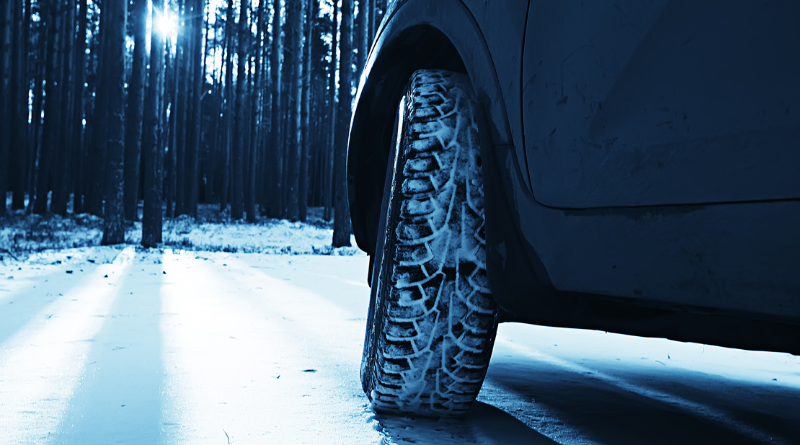
Winter Is Coming: Turn to the Four S’s of Vehicle Prep
Hope for the best and plan for the worst. It’s a good phrase to live by, and one that applies well to winter vehicle prep.
According to a 2018 survey by Cooper Tires, 68% of vehicles on the road have at least one thing wrong with them. Additionally, more than half of Americans feel intimidated when dealing with a car mechanic. With winter weather right around the corner, this is no time to roll the dice on whether or not your vehicle will start in the morning, or safely deliver passengers to a destination.
That’s why it’s important to fall back on the “four S’s” whenever inspecting a vehicle:
- Start
- Stop
- See
- Steer
These four words represent the most critical systems in your car, truck, or SUV. So, join me as we dive a little deeper into each category, and we’ll see what you can do to prepare your vehicle for winter—and whatever new surprises the year still holds for us…

Start
Simply put: you can’t go anywhere if your vehicle won’t start, so the battery is at the heart of this category.
Your battery provides power to every system, and colder temperatures can bring it to its knees without much of a warning. The average lifespan of a battery is around three years, so preparedness begins with inspecting the battery itself.
To do this, identify the build date and take a close look at the battery cables for signs of corrosion. (Think Chia Pet—but more neon-colored.) Essentially, a corroded connection will rob little bits of power from the system, making it harder for the battery to do its job.
Clean the battery posts with a stiff brush, or pick up a can of CRC Battery Cleaner, then spray the terminals and watch the corrosion simply dissolve away. Spray the terminals again once they’re corrosion-free with CRC Battery Terminal Protector to keep corrosion from growing back in the future.

Another option is to bring your vehicle to a local auto parts shop and have the pros perform a battery system test. These tests are usually free, and they can pinpoint any weaknesses in the battery, starting, or charging system. If you’re more of a “do-it-yourselfer,” you can buy a battery tester from Foxwell or Schumacher. Sure, it’s not a tool you’ll use every day. But when you need it, you’ll be glad you have one!
While we’re on the topic of handy tools to have in your toolbox…
Consider buying a portable battery jumper. These are a great tool to have on hand all year, but they are particularly useful for winter vehicle prep. A good jumper pack will be compact—not much larger than the average smartphone. What they lack in size they more than make up for in power (pun intended). The bottom line is these tools are unbelievably handy, and can be worth their weight in gold if you’re in a pinch. Check out these offerings from Arteck, CTEK, and NOCO.
 Remember: As part of ensuring your vehicle starts, it’s important to check all fluid levels under the hood. If any are low, you should top them off. It’s also a good idea to check those systems for leaks.
Finally, look over your accessory belts for signs of wear or cracking. According to Gates TechZone: “As a rule, if cracks appear 1 or 2 cm apart, 80% of the life is gone and the belt should be replaced.”
In the image here, you can see small cracks along the length of a rib or ribs. These are formed by exposure to high temperatures and the stress of bending around pulleys.
Stop
Next, ensure stopping power. Whether your brakes are making noises while driving or not, it’s always a good idea to make sure that the system is in good working order. This is doubly important when preparing your vehicle for snowy winter roads.
Use a brake pad gauge to measure the thickness of the brake pads, as this will tell you how much life they have left. Compare the thickness of the inner versus the outer pads—this can be a sign of faulty calipers or sticky guide pins. Trust the innovators at Wagner if you should find yourself in need of new brakes.

The work doesn’t stop with your brakes, though. Let’s talk about what you should have in your car in case of a breakdown or emergency.
Confirm that the emergency jack, lug wrench, and any other roadside tools are all present and operational. Consider storing a warm blanket in your trunk just in case, as well as an emergency roadside kit. Additionally, emergency flares or reflective safety signs will go a long way to help make your car visible on the side of the road.
See
The third category includes everything in your vehicle which allows you to see where you’re going—as well as allowing other drivers to see you coming. Vehicle lighting is extremely important, because a burnt-out headlight bulb will reduce nighttime visibility and driving safety. Headlight bulbs will dim by 20-30% over time, so always replace them in pairs for the best performance.
It goes without saying, but make sure you have an ice scraper and/or snow brush in your car. Replace your windshield washer fluid with a de-icing spray, and clean the inside and outside of the windows and windshield.
Similarly, check your wiper blades for signs of wear, rips, or cracking, and replace them as needed. PIAA, Rain-X, Trico and Bosch are just a few great options you can turn to. Consider upgrading to a beam-style wiper blade for longer life and better performance.

Steer
Let’s wrap up this list by looking where the rubber meets the road: the tires. Your tires have a big effect on multiple categories, but steering might be the most important. You might be able to get your car moving on old, worn-down tires, but they will really struggle to maintain grip while you’re pointing your car down the road. During winter weather, that grip and control is vital.
Checking tread depth is very easy and can be done at home in seconds. Use a tread depth gauge or the penny trick to measure the tread life of your tires.

You can also check for the “wear bars” in the tire tread. The tire is in need of replacement once these bars are level with the surface of the tire tread.

Additionally, set your tire pressure to the factory spec. This can usually be found on a sticker in the driver’s door jamb or behind the fuel door. Don’t forget to check the tire pressure in the spare tire (if your car has one).
Have you ever considered buying snow tires?
The immediate improvement in grip when the snow starts to fall is well worth the price tag. Some well-reviewed winter tires include: Yokohama iceGUARD, Dunlop Winter Maxx, Falken Eurowinter, Nokian Hakkapeliitta, and Pit Bull PBX A/T Hardcore.
Personally, I have a separate set of wheels with snow tires mounted for the winter. That way I can easily swap from summer to winter tires with a floor jack and some basic hand tools in my own driveway, without needing to pay a tire shop to mount and balance tires twice a year.
Finally, look over your steering system for any signs of wear. Check the power steering fluid level and look for any leaks in the system. Check for loose ball joints or tie rod ends, these can be identified by squeaks, clunks, or knocks when going over bumps.
Winter may present its own unique set of challenges, but it can be a captivating time of year to drive and take in the beauty. Hopefully, you’ll feel a bit more prepared to face off against Old Man Winter now. We’ll see you out on the open road!


