
5 Things To Know When Shopping for an Aftermarket Fuel Pump
When you’re in the market for an aftermarket fuel pump, it’s natural to focus on performance specifications like flow pressure, volume, and supported horsepower to ensure the right fit for your car. But what about your wallet?
Manufacturers may not disclose if anything falls short. In fact, many exaggerate the truth to make a product seem higher quality than it is, hoping to extract more money from customers.
To avoid falling victim to misleading claims, it’s essential to go beyond just sticking to reputable brands. By keeping an eye out for a few key details, you can better gauge the value of any aftermarket fuel pump and decide which one best fits your needs.
We’re here to guide you through those details. Keep in mind that, while some of these factors directly impact performance, they also tie into the overall quality of the pump you’re considering.
1. Brushed vs Brushless
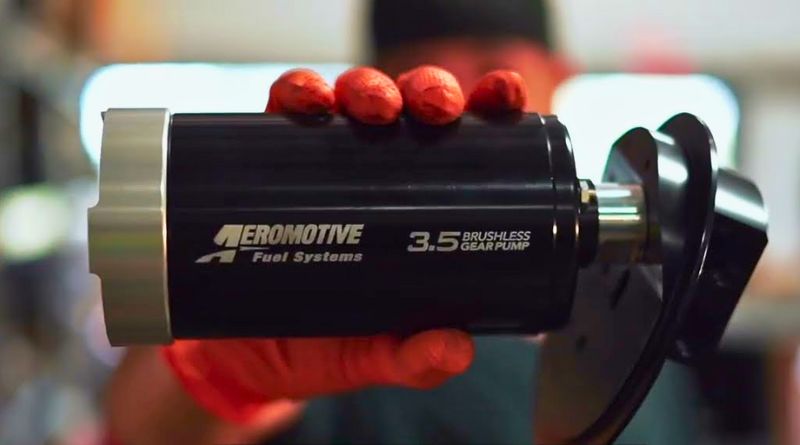
As you shop through an industry leader’s inventory, you will find that most pumps feature a “brushless” design. It may be tempting to opt for a cheaper “brushed” design, but you don’t want to do that for a vehicle you drive on the streets.

If the vehicle is driven solely on the track and short stints around town, an aftermarket fuel pump using a brushed motor may suffice. After all, people did it for years prior to the rise of brushless setups.
However, brushed pumps tend to run hotter, are prone to overheating, and have much shorter service lives compared to their brushless alternatives. Even if the brushes can be replaced, switching to a brushless motor can alleviate numerous frustrations and offer better value in the long run.
2. Fuel Compatibility
While it might seem obvious to ensure that an aftermarket fuel pump is compatible with the fuel you’re using, it’s still important to be cautious – especially with the rising narrative that you don’t really need to upgrade your system to accommodate some special fuels.
It’s imperative to confirm compatibility because the fuel plays a vital role in the operational process, acting as both a coolant and a lubricant for the pump. That means the pump must be built with the specific fuel in mind to avoid premature failure.
When shopping, go beyond merely reading the product descriptions. Read customer reviews from people who have actually used the same type of fuel as you intend to. Their firsthand experiences directly correlate to the quality of parts and the pump’s design, offering valuable insights to protect your investment.

3. Pump Body Construction
The construction of the pump body isn’t a detail you need to be too caught up in, but it serves as a reflection of the manufacturer’s commitment to quality. The fuel pump body must withstand corrosion from the fuel, but it can’t be made from a material that will trap heat and hinder the fuel’s ability to keep things cool.
Plastics are a perfectly viable choice for many cases. However, aluminum is always a superior choice. It’s stronger, offers great corrosion resistance, and has excellent thermal properties. It’s also more costly, and manufacturers willing to invest in this material are likely prioritizing durability and performance throughout the pump’s internals as well. Perhaps this is a superficial take, but industry experience generally supports the judgement call.
4. Warranty
A company’s willingness to stand behind its product is always a tell-tale sign of quality. However, don’t simply look at the length of time it’s willing to cover the product. Again, take the time to read customer reviews, specifically regarding experience with the warranty process.
Unfortunately, many companies offering cheaper parts with seemingly generous warranty coverage may fall short in terms of customer service. They may make the warranty process frustrating or difficult, and may even try to avoid covering the product altogether. This is often indicative of parts that don’t meet the advertised standards.
So, even if you’re getting a shorter coverage window from a higher-shelf option, chances are that those manufacturers are far more willing to work with you to provide better overall service and support than their cheaper alternatives.

5. System Compatibility
This last detail doesn’t necessarily tie into quality, but it’s a crucial factor you can’t afford to overlook. Not all aftermarket fuel pumps are compatible with the same system configurations. Some may work seamlessly with a factory setup, installing right in the OE fuel hat, while others require moving to a different sending unit altogether. Some may even necessitate moving to an entirely new fuel system.
It’s essential to thoroughly sort out compatibility prior to purchase. Otherwise, you risk spending way more money than you initially intended to. How this can relate to quality is in the sense that if something seems too good to be true, it probably is.
If your application is driving you to invest in a pump that requires you to make extensive upgrades to your fuel system, it’s because the OE system can’t accommodate what you’re getting into. If a manufacturer is suggesting their pump will work with the OE parts and still offer the flow and volume rates of more serious equipment, it warrants further investigation to ensure it’s not an oversold gimmick. Otherwise, you may find yourself investing in a product that falls short and requires additional upgrades to your fuel system anyway.

Meet Aeromotive
Considering the critical importance of system compatibility — and the potential pitfalls of investing in subpar products — it’s crucial to turn to trusted brands that prioritize quality and performance. One such industry-leading manufacturer is Aeromotive.
Well-known for its commitment to excellence, Aeromotive fuel-delivery and fuel-system components are engineered to meet the highest standards of reliability, durability, and compatibility.
Aeromotive introduced its first series of brushless fuel pumps in 2018. Designed specifically for extremely high-horsepower vehicles, the new technology offered improved performance and efficiency by creating less heat, drawing less power, and eliminating the potential for wear – an ideal solution for ethanol-fueled, street/strip applications requiring a continuous duty fuel pump.
As the market demanded even larger pumping mechanisms to support major increases in power, the brand’s brushless motor development program continued to pick up steam. As a result, Aeromotive has been able to take fuel delivery with electric pumps to flow and performance levels never before seen.

With a wide range of options designed to suit various system configurations and performance needs, Aeromotive ensures that drivers can trust in their fuel delivery system, whether it’s for street use or high-performance applications. Don’t compromise on quality when it comes to your fuel system—choose Aeromotive. Visit AeromotiveInc.com to learn more.


