
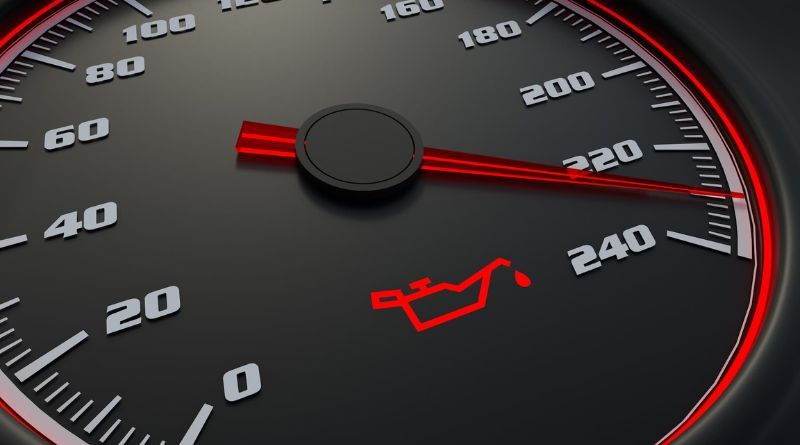
Addressing Oiling System Issues in Your Racing Engine
Building a car for the track isn’t as scary as it can be made out to be. Sure, there are a lot of risks, but we’re dealing with mechanical devices here. That means, avoiding the downsides is mostly done through careful planning and a keen eye.
One area to pay close attention to is the oiling system. There’s no quicker way to destroy an engine than by starving it of oil. Lack of lubrication causes parts to overheat and bind together – and your wallet to run out of money. Obviously, you want to do everything you can to keep that from happening.
Thankfully, keeping an engine lubricated is rather simple. As long as you take the right steps and keep things in check, you should be totally fine to rev that thing as hard as you want. But just in case you need some guidance, we’re going to run you through some critical tips to keep in mind while you set up.
Put Yourself Ahead of the Curve
We can’t stress enough how important it is to do your research and build your oil system to match. More often than not, the hurdles an oil system has to overcome are a unique combination presented by the limitations of the exact platform you’re working with, as well as the conditions you expose it to. Furthermore, symptoms of lack of lubrication can often be an immediate death sentence for your engine.
You really want to sit down and read into what you should do to upgrade your oil system before you hit the track. Start by talking to experts, researching forums, and even reading old tech bulletins to find out what upgrades you should make for the power level you’re chasing and the type of driving you’re doing. This will help you get at least the basics in order, such as ensuring you have the right oil pump and bearing clearances beforehand – as that’s not something you want to learn is out of spec at the track.

Common Symptoms to Watch for and Possible Fixes
All of that being said, there’s the potential to miss a few details or underestimate your circumstances. You still need to pay close attention to your oil system regardless of what’s already been done to it. To do so, you will need to have an oil pressure gauge, an oil temperature gauge, and an ear for running conditions.
With all of that in check, pay attention for the following symptoms as you run your car at the track.
Oil Pressure Dropping on Launches or Turns
Oil is a liquid that’s subject to inertia, just like any other object. As a vehicle moves forward or side to side, the oil will wander all around the pan. Under hard launches and turns, this can cause a severe drop in oil levels in the sump, which can cause oil pressure to drop in some cases. Upgrading to an oil pan that features baffles to keep this from happening is a great solution for many applications.
The next step up is to add an oil accumulator to the system. This device is essentially a supplemental reservoir that keeps oil flowing when the sump experiences a dry spell. It’s a great addition in any case and breaches the gap between baffles and a dry sump system that’s necessary for hardcore racing applications.
Oil Pressure Dropping at High RPM
Running into a drop in oil pressure at high RPMs is generally caused by one of two factors. First is that the pump actually starts to suck the pan dry. The other is on account of windage. This is when the crankshaft’s motion begins to slosh the oil around, which can create foaming.

If you’re using a stock-size pan, it’s likely that the pump is pulling oil at a faster rate than it can return to the supply. Upgrading to a deep sump pan will offset the issue. It’s also likely that the pan will feature baffles to help with oil pressure issues experienced in launches.
Windage, however, will likely still occur. You can often identify it as the problem by checking the dipstick. If there are bubbles in the oil, it’s on account of the foaming. Oil overheating is also generally on account of windage; installing a windage tray is an easy fix to the problem. Both of these upgrades are generally done at the same time.
Burning/Consuming Oil
Let’s not beat around the bush. An engine that’s burning or consuming oil may need a rebuild. Over time, worn rings, valve guides, and seals can allow oil to reach the combustion chamber, causing it to consume and burn oil. But that doesn’t mean an engine that’s burning oil is ready for a teardown.
If the oil level is too high, the PCV system may suck up some of that excess oil, where it’ll run through the intake and into the combustion chambers. The simple fix here is to remove excess oil from the pan. If the issue persists, it still might not be a death sentence. Windage can cause the same issue, and a windage tray might be the cure. An oil separator for the PCV system may also be necessary for some engines experiencing this problem.

Moroso is Only a Call Away
While identifying the problem and the fix to it are important steps, it’s even more important to use parts from a reliable source. Let’s face it: the oil system is no place to gamble. That’s why we recommend Moroso.
Moroso’s been hard at work keeping street and race engines lubricated since 1968. The people there know a thing or two about what it takes to prevent catastrophic failure and are a great resource because of it. If you have any questions regarding anything we talked about today, Moroso’s customer service team is a great place to find answers. Of course, being a supplier of all the oiling system upgrades we discussed and much, much more means you can also count on them to hook you up with whatever you need to keep running whatever you’re driving hard and worry-free.
To learn more about Moroso and its long line of quality performance products, head over to https://www.moroso.com/.


