
Aftermarket Accessory Maintenance: Powder Coatings, Aluminum, Plastic & More
There’s something so satisfying and fun about customizing your ride. Whether you’re making it more off-road worthy, giving it some sleek, personalized LED lighting scheme, or overhauling your exhaust, you’re going to carefully select each aftermarket part and accessory. And let’s face it, most of this stuff doesn’t come cheap.
Powder-coatings, aircraft grade aluminum, stainless steel, and ABS plastic have all earned a reputation for being superior materials well-suited to aftermarket accessory production. But, even the toughest and most innovative products can have their lives cut short thanks to a lack of proper care and maintenance.
Learn how to spot signs of corrosion and decay, as well as how to clean and protect your favorite aftermarket add-ons so that you max out their looks and life and keep them performing for years to come.
Powder-Coatings

Powder-coating is a multi-layer process which is applied to the surface of a part. It’s a very hard-wearing finish resistant to damage from impact, scratches and chemicals. It’s also a cost-effective finish that can be applied to almost any shape.
However, powder-coating can be susceptible to corrosion over time. This is partially due to the fact that many aftermarket parts are made in countries where environmental quality is not held at the same standards as in the U.S. This can cause a wide range of issues, including unsightly rust, dents and scratches, and if not addressed in time, might even lead to failure of the part.
Caring for your Powder-coating
Regular proper cleaning and maintenance of your powder-coating is also key to promoting longevity. Pressure washing is one of the most effective ways to remove stubborn dirt, dust, mud, and road grime from crevices and uneven surfaces.
When washing, use gentle car wash soaps and avoid any harsh solvents or petroleum-based chemical cleaners at all costs. Your powder-coated surfaces are sensitive and can easily be permanently damaged by aggressive or abrasive cleaners.
Environmental factors, such as sun, wind, rain, saltwater, electrical current, and even exposure to dissimilar metals can also speed up the discoloration and deterioration of your powder-coating. One of the easiest and most cost-effective things you can do to protect your powder-coated finish is to apply a regular coat of wax to exposed surfaces. Be sure to use a brand that contains UV inhibitors or blockers.

A powder-coated item that is beginning to corrode or break down will show signs of rust or discoloration. Powder-coated parts are exposed to a lot of chemicals and high temperatures, which can cause rust to form on the surface of the part. The powder-coating will then begin to peel or chip off in certain areas, exposing the rust below. If you have damaged or corroded powder-coated parts, it is important to address them ASAP.
Repair Options
If the damage is fairly minimal, you can fix it yourself by sanding the damaged area with a fine-grit sandpaper, cleaning it with detergent and water, and then lightly applying touch-up paint once the surface is dry.
Be careful not to sand too much or remove too much of the powder coating, as this will make the repair more difficult. Likewise, be sure to use a paint that is specifically designed for powder coating. Apply it in thin, even coats, allowing each coat to dry before applying the next one.
Once finished and the paint is dry, you can apply a clear coat over the entire surface to protect the repair and the surrounding powder coating. Allow the clear coat to dry completely before using the item.
It is important to note that this is a temporary solution and the repair may not look perfect. If the damage is severe and you want a professional finish, it is best to take the item to a professional powder coater for repair.
Aircraft-Grade Aluminum

Aircraft grade aluminum is a high-strength alloy that is commonly used to make aftermarket wheels, bumpers, suspension parts, and more. However, like all metal, it can be subject to corrosion and degradation over time.
Exposure to saltwater or other harsh chemicals, excessive moisture, rapid temperature changes, and scratches and abrasions from general wear and tear can all provide a pathway for moisture and other corrosive elements to penetrate the metal.
The tell-tale signs of corrosion on aircraft grade aluminum include:
- Pitting: Small pits or holes in the metal surface can indicate corrosion is present.
- Discoloration: Corrosion can cause the metal to change color, typically to a light grey, yellow or brown color.
- White powder or rust
So what can you do to treat these problems and hopefully avoid replacing them altogether?
Some useful products to consider include corrosion inhibitors. These are chemicals that can be applied to the metal surface to prevent or slow down the corrosion process. Anodizing is a process that can be used to create a protective layer on the metal surface, which can also help to prevent corrosion. Applying paint to the metal surface can also provide a barrier against moisture and other corrosive elements.
When it’s time to replace the item would depend on the level of corrosion and the condition of the part. If the corrosion has caused structural damage or the part is no longer safe to use, then it should be replaced.
Stainless Steel

Stainless steel is another popular choice for aftermarket car parts due to its high strength, durability, and resistance to corrosion. However, like all metal, it can still be subject to degradation.
As with aluminum, exposure to saltwater or other harsh chemicals can greatly shorten the life of your stainless steel parts. Moisture, temperature changes, and scratches from wear and tear or abrasive chemicals and cleaners can also do a number on steel.
Just like aircraft-grade aluminum, there are obvious signs that your stainless steel is becoming damaged. If you see pitting, discoloration, white powder, or rust, you need to get after it pronto if you don’t want to have to completely replace the part.
Remedies and Treatments for Stainless Steel Damage
Again, as with aluminum, you can try corrosion inhibitors to prevent or slow down degradation process. You could also try a process called passivation. This chemical treatment can remove free iron and other impurities from the surface of the stainless steel, enhancing its ability to prevent corrosion. Painting is also an option to provide a barrier that can help to prevent moisture and other corrosive elements from reaching the metal.
Regular cleaning of the metal surface to remove dirt, salt, and other corrosive elements is the easiest and most basic form of prevention. Storing your car in a dry and protected environment will give you years of added life. Applying a corrosion inhibitor or other protective coating to the metal surface and regularly inspecting for signs of corrosion are also great ways to avoid unnecessary damage.
Avoid using harsh chemicals or abrasives during cleaning, as this can cause damage to the stainless steel surface and increase the likelihood of corrosion. If possible, avoid exposing your beloved ride to high temperature or high humidity conditions.
It’s also important to note that not all stainless steel is the same and some grades are more resistant to corrosion than others, so it’s important to check the grade of the stainless steel before purchasing aftermarket parts.
And of course, just like with aluminum parts, when to replace them usually depends on the amount of damage present and structural integrity that has been compromised, deeming the part unsafe for further use.
ABS Plastic

While powder-coating, aircraft-grade aluminum, and stainless steel all have a lot in common, ABS plastic is a different animal. ABS plastic is a thermoplastic material that is commonly used in aftermarket car parts such as body kits, spoilers, and grilles. It is durable, inexpensive, and very versatile.
Factors that can cause corrosion of ABS plastic include exposure to UV light, high humidity, high temperatures, and exposure to chemicals such as acids and salts. The tell-tale signs of corrosion include discoloration, cracking, and warping. In some cases, the plastic may also become brittle and break easily.
There are several remedies and treatments that can be done to avoid or delay a complete replacement of ABS plastic parts. Some products to consider include UV inhibitors such as UV-9, and plastic protectants such as 303 Aerospace Protectant.
Prevention is Key
Preventative measures that a person can take to avoid corrosion of ABS plastic are similar to all the ones discussed above. These include keeping your car in a garage or covered area to protect it from UV light and extreme temperatures, regularly cleaning and protecting with UV inhibitors and plastic protectants, and avoiding contact with chemicals such as acids and salts. Additionally, regular inspections of the parts can be done to ensure that it is still in good condition.
You should replace any ABS plastic parts if they have become corroded or cracked to the point where they’re no longer functional or safe to use. The good news for ABS plastic replacement is that it’s usually significantly less expensive than replacing metal car parts.
Sponsored by TrailFX

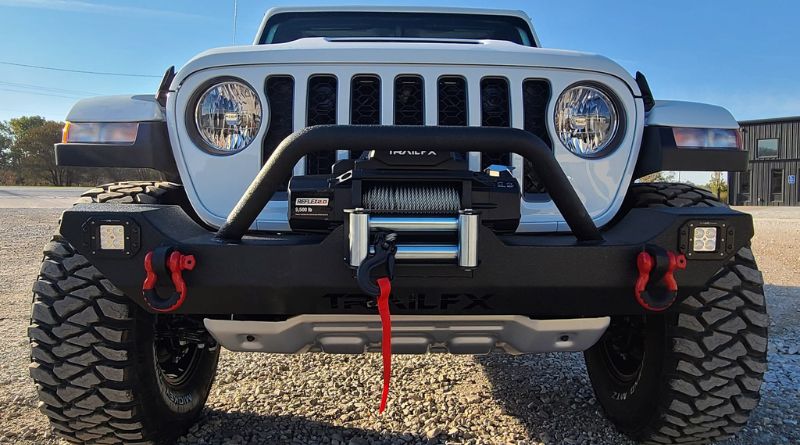
When it comes to quality and affordable aftermarket accessories, TrailFX fits the bill. The company is dedicated to advancements in automotive engineering, crafting its equipment and accessories from superior materials – like those described here. From smooth powder-coated steel bumpers and polished aluminum toolboxes, to heavy-duty stainless steel bull bars and durable ABS plastic fender flares, the brand’s catalog is packed with rugged options to outfit your vehicle for any occasion.
To learn more about TrailFX’s innovative products, visit: https://www.trailfx.com


