
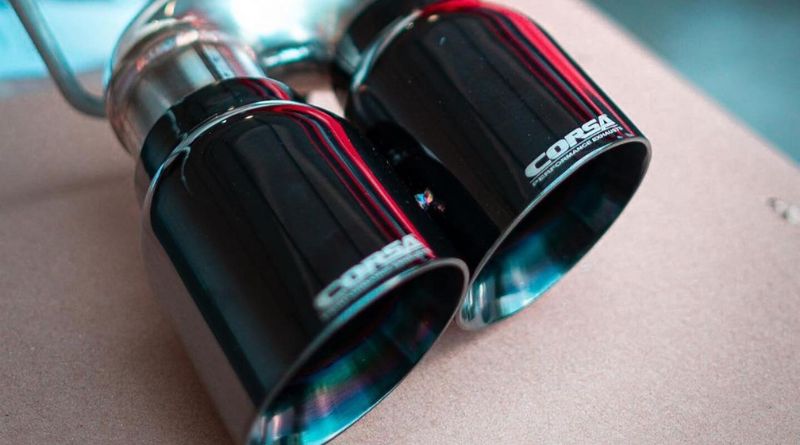
Bring Back the Shine: How To Clean & Polish Exhaust Tips
Like most things in life, small details make a big impact when it comes to engine performance. And in the case of your vehicle’s exhaust tips, thorough cleaning and maintenance can have a significant impact on ICE operation.
Let’s take a closer look at these often-underappreciated components to find out why they’re so important, and how cleaning and polishing them will improve their lifespan – and your driving experience.
Beyond Aesthetics
Your vehicle’s exhaust tips take a lot of abuse, from road grime and dirt to corrosive heat and moisture – all of which can cause them to become dirty and discolored. But like plaque build-up on teeth, that crud poses a greater risk to your ride than merely dulling its shine.

Exhaust tips accumulate carbon buildup, dirt and debris from the engine’s combustion process, which restricts the flow of exhaust gases. Ultimately, this condition reduces engine efficiency, affects fuel economy and limits overall performance.
Additionally, dirty or clogged exhaust tips can lead to poor exhaust gas dispersion, resulting in the accumulation of harmful gases like carbon monoxide. Left unattended, this impact can pose health risks to people and animals inside the vehicle. These contaminants also affect the environment outside the vehicle, as their build-up leads to increased emissions.
Lastly, neglected exhaust tips accumulate soot, tar and other residue, which can harden over time, leading to a significantly more challenging maintenance process than if they underwent regular or even occasional, cleaning and polishing.

Tools for the Job
Cleaning and polishing exhaust tips only requires basic tools and cleaning products.
Cleaning/Polishing Tools
For scrubbing, a soft bristle brush or toothbrush are great to have on hand as they can remove stubborn dirt, grime, and carbon deposits from the surface of the exhaust tips without scratching the metal. A gentle dish scouring pad/sponge is useful too, as the abrasive side is designed to be non-scratch.
Other tools to have nearby include microfiber cloths for wiping and drying without leaving lint behind, and an extended rod or long-handled brush to get into those hard-to-reach areas inside the exhaust or under the vehicle.

If you’re planning to polish or even seal the tips after cleaning, then you may want a soft foam applicator or sponge on hand as well.
Cleaning/Polishing Solutions
There are plenty of specialized products on the market, designed specifically for cleaning and polishing exhaust tips. And, indeed, if you sprung for a top-notch performance exhaust system or your exhaust’s tips feature something with unique characteristics, like stainless steel or black chrome, then opting for a specialty product is wise.
Some manufacturers, like Corsa, take the hassle out of choosing by offering their own cleaning kit. While it will cost more than a DIY solution, you can rest assured it’s safe to use on all Corsa tips.

If your budget limits you to what’s already in the garage or house, then just remember mild soaps are best. A gentle household detergent mixed with warm water can create an effective cleaning solution for removing dirt, grime and other contaminants.
For polishing, we always recommend investing in a dedicated automotive compound to ensure a safe and effective shine. Even mild DIY solutions like vinegar and water can sometimes be too acidic, causing discoloration or chalky residue. If however, you can’t get to the parts store, Brasso is a tried-and-true multipurpose metal polish and shouldn’t cost you more than $5 for an 8oz bottle.
What NOT To Do
As you’ve probably realized by now, there are some caveats relating to cleaning and polishing exhaust tips — especially when dealing with specific surfaces like chrome, stainless steel or black powder-coated tips.

Here are some good tips to keep in mind.
- Avoid abrasive materials. Steel wool and rough brushes or cloths can scratch or damage soft surfaces.
- Avoid harsh chemicals. Acidic or abrasive cleaners can damage or discolor metal finishes. Thoroughly read and follow instructions on all cleaning products, and choose products that are specifically formulated for automotive metal surfaces. A good rule of thumb to follow is if the cleaner requires you to wear gloves, then it might be too abrasive.
- Avoid excessive force. Aggressive scrubbing can scratch or damage the metal surface just as quickly as a harsh tool or cleaner. This job calls for a gentle touch.
- Avoid contact with other vehicle surfaces. When applying cleaning or polishing products, be careful to avoid contact with other vehicle surfaces such as paint or plastic since some cleaning products can cause damage or discoloration to these surfaces.
- Avoid shortcuts. Take your time and give this job the attention it deserves. Cutting corners or rushing will not only result in a poor finish, but also possible damage. This advice applies to all phases, too – like when gathering your materials. Be sure to use the correct tools and cleaners, since they are not always interchangeable. For example, a chrome polish is too acidic for stainless steel and may remove the finish.

How To Clean & Polish Exhaust Tips
Now that you’re prepped and informed, here is a step-by-step process for cleaning and polishing those exhaust tips.
Cool down the car. This may seem obvious, but make sure the vehicle is off and the exhaust tips are completely cool before starting any cleaning process. Park in a well-ventilated area, and consider doing this job in a spot where you can easily hose down the pavement afterwards.
Gather materials and tools. Collect all your necessary tools and cleaning products, such as a soft bristle brush or toothbrush, microfiber cloths or rags, mild detergent or soap, metal polish or chrome polish and any protective gear (e.g., gloves, eye protection).
Remove loose dirt and debris. Use the soft bristle brush or toothbrush to gently remove any loose dirt, debris or carbon deposits from the metal surface.
Create cleaning solution. Mix mild detergent or dedicated cleaning soap with warm water in a bucket or spray bottle to create a cleaning solution. Pay attention to instructions for appropriate dilution ratios.
Clean the exhaust tips. Dip soft bristle brush or toothbrush into the cleaning solution and scrub the surfaces of the interior AND exterior of tips. Pay extra attention to areas with stubborn dirt or grime.

Rinse with water. Rinse the exhaust tips with clean water to remove the cleaning solution and loosened dirt. Repeat cleaning and rinsing as necessary to remove all build-up, being sure to change water as needed.
Dry the exhaust tips. Use a microfiber cloth or rag to dry the exhaust tips thoroughly. Wipe off remaining water or moisture to prevent water spotting.
Apply metal polish. Restore shine and protect the metal by using a proper metal polish. Apply small amounts of cleaner for the specific tip material. Follow manufacturer’s instructions for application and buffing.
Inspect and touch up. Inspect the exhaust tips accordingly. If any remaining stains, dirt or spots appear, repeat cleaning or polishing processes as needed.
Sponsored by Corsa

As a world leader in premium exhaust systems, Corsa’s entire foundation is built upon a proven ability to deliver iconic sound, respectable power gains and enviable good looks. Honestly, if you don’t already have a Corsa system on your ride, there’s a good chance you’ve crunched the numbers on one.
Key to being the standard by which all other exhaust systems are measured is innovation – and a relentless commitment to quality. To learn more about Corsa’s world-class manufacturing technologies and revolutionary RSC (Reflective Sound Cancellation) Technology, or to just see what kind of impressive new product the company has on tap for this year, visit https://www.corsaperformance.com.


