
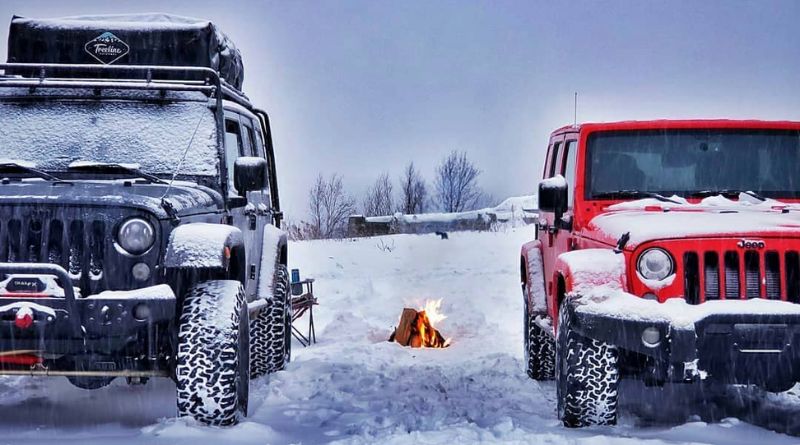
Resourceful Traveler: Winter Overlanding Tips for Beginners
Are you really an overlander if you’re not willing to put yourself to the test under every circumstance? It’s easy to claim that title when the weather is perfect, and you can comfortably do anything with little effort. It’s when the going gets tough that the badge is only boasted by the hardiest among us.
Actually, The Engine Block is here to push back on that sentiment. We firmly believe that adequate preparation and thoughtful planning will make even the toughest-appearing scenarios play out rather smoothly. Winter overlanding is a perfect example of that — when done right.
Overlanding in the winter is only a little different than it is all year. So long as you set up your rig properly, select the right gear for the occasion, and keep your eyes peeled when wheeling, the scenery might be the only real difference you notice. Following these tips will help you develop the mindset you need to tackle your next snowy adventure.
Wheeling on Ice
Snowy terrain is some of the trickiest for off-roaders. It’s slick, hides obstacles, clogs up your tires, and generally causes all kinds of unfamiliar trouble. However, it’s not impossible to learn your way around it.

It’s important to consider what type of snow sits on the trail you’re headed down. Slush and ice are generally the most dangerous. No matter how well-built your rig is, it won’t fair well on ice, and finding yourself on a patch can be extremely dangerous – so it’s best to avoid it. Slush can be equally as bad, since it tends to clog up tires (and hide troublesome ice).
Generally speaking, powdered and crusty snow are what you want to be wheeling in. That doesn’t mean there aren’t inherent risks, though. They may still be hiding obstacles and ice, too. Regardless of the snow you’re driving through, make sure to stick to your selected trail and steer clear of anything that may indicate danger lurks beneath the surface.
Just like any other slick terrain, momentum is your friend. Sharp movements and jabbing the throttle are recipes for disaster. Take your time and maneuver with care to avoid sliding or sinking into a hidden patch of mud or deep snow that’ll get you stuck.
That said, all of the basic off-roading tips we’ve shared in past blog posts still apply. Your rig should be set up with the right gear, and you’ll definitely want to know how to use that recovery equipment, as there’s a high likelihood of you needing it. You should also have some other essential skills, like knowing first aid, just in case things take a turn for the worst.

Carefully Plan Your Route and Campsite
While overlanding is all about exploring new places, and trekking into the great unknown, that’s not the wisest thing to do in the winter.
Traversing unfamiliar trails — especially with a heavy, fresh layer of snow overtop — can be incredibly dangerous. Your best bet is to plan ahead and do your best to stick to the areas you know so you can mitigate the risk of getting stuck or lost during the coldest time of year. It’s also important to use a GPS, even if you think you know where you’re going.
Plenty of thought should go into selecting your campsite, along with the trails you’ll take to get there. You want to pick a spot that won’t be difficult to get out of with a layer of snow over top. Consider the general landscape and possible anchor points for recovery equipment as well.
Part of the reason it’s so important to have a set destination is so that you can share it with people beforehand, should anything go wrong. Give friends and loved ones as much information as possible about your trip. Details like where you’re going and how long you intend to stay there give them a heads-up on where to look (and when to start their search) if you don’t come home on time.

Pay Attention to Weather Patterns
Winter weather can be unpredictable, and forecasts can change drastically within just a few hours. Not paying attention to local broadcasts is how you get caught in the middle of a heavy snowstorm deep in the woods. This can be extremely dangerous if you’ve only packed enough supplies to last a short stay.
The solution isn’t solely to pack a little extra in case of an emergency. It’s to stay on top of weather patterns and use your best judgment to abandon a trip altogether in favor of your safety.
Fire-Starting Skills Are Important
It’s wintertime. That means everything is cold and damp, and you need fire now more than ever. While you should make sure your bushcraft campfire skills are in check (just in case things go wrong) you don’t have to solely rely on what’s available in the wild to stay warm.

Dry, pre-cut firewood is readily available at many convenience stores. Stocking up on some before your trip will make a world of difference when you’re trying to start a fire out there on the trail. You can also pick up a portable fire pit to burn that wood in, as opposed to trying to build a pit on the cold, snow-covered ground.
Pack for the Conditions
A campfire is an essential part of winter overlanding, but it shouldn’t be your sole source of warmth. You’ll need to pack the right equipment to avoid freezing on your adventure.
Staying warm starts with the right layers of clothing. While you won’t forget a winter jacket, boots, stockings, and gloves this time of year, you might overlook the importance of thermal layers beneath it all. They’re the most important piece of clothing when it comes to staying warm, and you’ll want at least two complete sets to keep the cold and wet weather from ruining your adventure.
The right sleeping bag will also make all the difference. There are sleeping bags intended for use in a variety of conditions, and the one you’re using better be rated for the cold winter nights in your area. It’s one of the pieces of equipment in your kit that’s worth splurging on, as a good night’s sleep can define the entire experience.

A good space heater for your rig is another item you can’t go without during winter overlanding. If you don’t have a power supply to run a small electric heater throughout the night, a propane heater is a great alternative. As long as they have tip-over protection, and you keep your vehicle ventilated (cracking a window will do) they’re perfectly safe and can keep you more than warm on even the coldest nights. You will want to bring a spare tank, though, as these will consume a lot of fuel overnight.
It’s Twice as Dark and Very Cold
The last tip we’ll leave you with is to be mindful of the lack of daylight. Days are much shorter and much darker this time of year. That can pose a number of challenges for overlanders.
It’s especially difficult to power anything using solar energy during the winter. So, you may need to consider an alternative to the power sources you usually depend on. A portable gas-powered generator will likely be the best choice.

Poor visibility is another concern. Snow on the ground may be helpful on a clear night, but it is the exact opposite when it’s falling. Snowfall can create glare, dramatically reducing visibility. As simple as it may seem, adding amber lighting is the cure. It’s proven to reduce glare, making it easier to see through fog and falling snow. You might not have to rush out and spend a few hundred bucks on all new lights to achieve it. The lights you already have may have amber lenses available, which is all you need for it to work.
As you venture into the world of winter overlanding, remember that preparation and adaptability are your greatest allies. So, gear up, hit the trails, and enjoy the singular beauty of the snow-covered great outdoors.


