
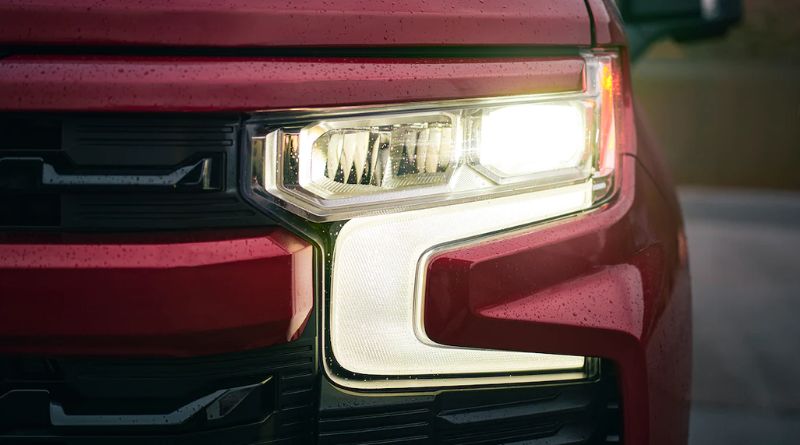
Tech Corner: DIY Headlight & Taillight Replacement
When it comes to taking care of your car, along with other jobs you can handle in your driveway, removing and replacing light bulbs are pretty good ways to get started. The work is not physically taxing, and saving the $80 bucks that a service professional would charge offers a pleasant value as well.
Let’s walk through a headlight/taillight replacement in order to ensure that you’ve got everything you’ll need, when you need it, and how to execute the process when the time comes.
How do I know it’s time to change a headlight or taillight bulb?
There is no way to count the number of times that local and state police pull people over because of bad lights, but insurance industry estimates place it somewhere around 32 million stops each year. While many times, cops are simply looking for more sinister behaviors, bad lights can still earn you an inconvenient and likely, unwanted, conversation with law enforcement on the side of the road. Best to avoid the scenario as much as possible, and check your lights on a periodic basis.
Here are some tips to help you check your exterior lighting, and stay in the clear.
Start ‘er up.
The easiest way to validate your lighting systems is to simply start the engine and turn the lights on. By “lights,” we mean everything since, when it comes to late model cars, most all lights power up at the same time. This includes headlights, front side-markers, front turn signals, rear taillights, rear side-markers, and brake lights – not to mention any accessory lights involved on your specific vehicle.
Keep in mind that most modern lighting systems are typically represented by integrated light assemblies. This means that at the front you’ll see headlight bulbs, turn-signal bulbs, and bulbs associated with front side-marker lighting all housed in a single appliance. At the rear of the vehicle, similar integrated assemblies will encompass taillight bulbs, turn signal bulbs, brake light bulbs, and sometimes side-marker bulbs.

Flip the turn signal indicator.
Next, turn on the left turn-signals and execute a walk-around from front-left to front-right. Do the same thing relating to the right turn-signals. Ensure that all lights illuminate properly when activated.
If both sides fire up properly, move to the next step. If not, make a note on any bulb failure location for replacement.
Tap the brake lights.
Have a friend or family member walk to the rear of the vehicle, while you press the brake pedal. If both brake lights illuminate properly, the test is complete.
If you’re by yourself and you have a garage, close the garage door and investigate the brake light reflection. If both sides are evident, you’re good to go. If you don’t have a garage, identify some point of likely reflection such as a window, or even back toward a wall until you can see the brake lights come on.
What tools do I need to complete a headlight taillight brake job?
Whether a bulb is located at the front or the rear, changing it out is pretty simple once you get the hang of it. Necessary tools are minimal, if at all. Nevertheless, here are a couple of things you might want to keep handy just to make things easier.
- (1) Pair of rubber gloves
- (1) Pair of safety glasses
- (1) Flat-head screwdriver
- (1) Star-head screwdriver
- (1) Interior fascia pry tool (if you’re careful, you can use a flat-head screwdriver for this too, although a pry tool costs next to nothing, and it won’t tear up the edges of typically soft trunk fascia covers).
- (1) Bulb grease
And if you really want to be fancy, a battery-powered screwdriver with appropriate bits will be helpful too.

How do I know what headlight or taillight bulb I need for replacement?
Whether you are replacing or upgrading your vehicle’s headlights and/or taillights, having the correct bulb size is critical. There are a few ways to find this information.
Check the manual.
Information on bulb size/type can usually be found under the “Maintenance” or “Specifications” sections. Write the information down for use when purchasing a necessary replacement, and save it for easy re-use later.

Check the stock bulb.
If you know the existing bulb is factory equipment, you can simply use the fitment information as a reference. The number you’re looking for is usually located on the metal base below the glass bulb containing the filament, or on the bulb itself.
Use an online look-up tool.
Lost your manual? Not sure the bulb in the housing is correct? As they say, everything can be found online these days. Most manufacturers have complete vehicle manuals available as downloadable PDFs. Likewise, many bulb manufacturers have search tools on their websites which allow you to filter products by a vehicle’s YMM.
Step-By-Step Headlight/Taillight Replacement
Replacing headlight or taillight bulbs is a very simple process, and really only requires a few steps. However, it is worth noting that, due to some vehicle’s unique designs, accessing the bulb can be tricky.
In the case of the headlight/taillight bulb replacement, the rear of the headlight assembly should be clearly evident at the front of the engine compartment, adjacent to either side of the radiator. Similarly, once you remove the rear fascia cover, the taillight assembly should also be evident close to the end of the rear fender.
On some models, however, you may need to loosen or remove the bumper assembly or go in through the fender. There may be additional clips or screws that need to be removed as well.
Reviewing the owner’s manual will help you determine if your vehicle requires a little extra work. If it does, we recommend watching some YouTube videos to ensure the process is something you can still accomplish easily.
For headlight bulb replacement:
- Open the hood.
- Locate the wire socket/harness related to the bulb you are replacing.
- Once you have the right one, grab the connector and twist the plastic socket. It should produce a soft click as it pulls free. This process usually involves a left twist to unlock, but depending on the vehicle, this could also go the other way.
- Once the socket/wire harness is unlocked carefully pull the socket out of the assembly.
- Using both hands press down on the bulb slightly and twist it. It should come free. (Note, again, that the twist can go either way i.e., left-twist, right-twist. So, be careful here).
- Remove the bulb and let the socket/wire harness hang free, but lodge it somewhere close to its assembly entry point so you can locate it easily later.
- Compare the old bulb number and the new bulb to ensure they match.
- Optional: Open a packet of dielectric bulb grease and entirely coat the metal base with grease. While most headlight assemblies are sealed these days to keep out dirt and water, this silicone-based grease can help add an additional layer of protection against moisture and corrosion.
- Find the socket/harness and insert the new bulb in the socket. Press down slightly, and twist until the bulb locks. (Note that the twist can go either way, i.e. left-twist, right-twist, so be careful in order to avoid breaking the bulb off the metal base).
- Ensure that the bulb is locked into the socket/harness. If it is secure, push the socket/harness into the assembly, and twist the plastic socket until it is locked.

For taillight bulb replacement:
- Open the trunk.
- Locate the proper soft fascia cover. Be careful, since trunk liners/fascias are typically fabricated of cardboard and easily damaged. If the fascia is secured with plastic tabs, use a pry tool to remove them and set them aside.
- Remove the soft fascia to expose the rear of the taillight assembly.
- Locate the wire socket/harness related to the proper bulb.
- Once you have the right one, grab the connector and twist the plastic socket. It should produce a soft click as it pulls free.
- Once the socket/wire harness is loose, carefully pull the socket out of the assembly.
- Using both hands press down on the bulb slightly and twist it. It should come free. (Note that the twist can go either way, i.e. left-twist, right-twist, so be careful).
- Remove the bulb and let the socket/wire harness hang free, but lodge it somewhere close to its assembly entry point so you can find it easily later.
- Compare the old bulb number and the new bulb to ensure they match.
- Optional: Open a packet of dielectric bulb grease and entirely coat the metal base with grease. While most headlight assemblies are sealed these days to keep out dirt and water, this silicone-based grease can help add an additional layer of protection against moisture and corrosion.
- Find the socket/harness, and insert the new bulb in the socket. Press down slightly, and twist until the bulb locks. (Note that the twist can go either way, so be careful).
- Ensure that the bulb is locked into the socket/harness. If it is secure, push the socket/harness into the assembly, and twist the plastic socket until it is locked.
- Replace the soft fascia cover, and re-insert the tabs.
Once the new headlight or tail light bulb is installed, complete the process by doing another walk-around inspection as described earlier to ensure everything is in working order.


