
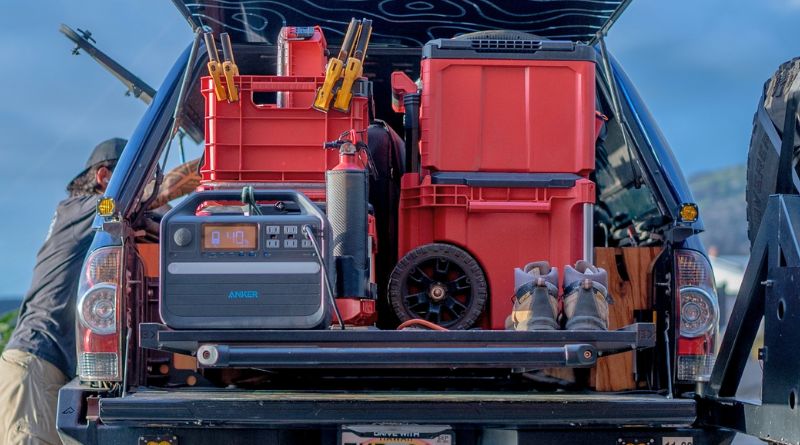
Packing With Weight Distribution In Mind
When you think of weight distribution, RVs often come to mind. And while weight distribution in a travel trailer or fifth-wheel is critical for proper towing and safety, it’s also extremely important when it comes to packing your everyday vehicle – especially if you’re planning for a long trip or off-grid adventure.
Weight Distribution and Why It’s Important
Weight distribution is pretty much what it sounds like: the process of evenly dispersing the weight of items you’re packing on top of or inside your vehicle. An unstable load makes for an unstable ride, and can affect your vehicle’s handling, acceleration, traction, performance, and overall safety. It can also have an impact on specific vehicle components, like overstressing the suspension or accelerating tire wear and tear.
To avoid poor weight distribution in your vehicle, start by following these basic “dos and don’ts” of packing:
- Don’t overpack. This sounds like a no-brainer, but you’d be surprised how many people stuff their rig to the brim and then wonder why there’s a problem. If it won’t get used during the trip or at the destination, then leave it at home.
- Do start low. When choosing what to pack first, start with heavier items placed on the floor or back of the trunk and keep them as low and close to the vehicle’s center of gravity as possible.
- Don’t arrange things lopsided. In addition to keeping heavy items on the bottom, make sure they’re not all pushed to one side. Balance out the weight so your vehicle can better adapt to the new payload.
- Do check your visibility. Always make sure you can see clearly out of the back window with your rearview mirror and side view mirrors.
- Don’t disregard load shift. Be aware that weight shifts during acceleration, braking, and turning. Ensure that any loaded items are secure and won’t shift unpredictably.
With these five tips, you’re unlikely to compromise your weight distribution. However, if you’re looking for more specific tips for your cargo area – as well as some tailored advice for loading up roof racks and truck beds – keep reading.

Packing Your Cargo Space
Before packing the cargo space in your vehicle, it’s important to consider your constraints. For example, are other people (or pets) traveling with you? Not only will you need to consider their comfort, but also their weight – and the weight of all their stuff.
With that in mind, are there some items you could more easily rent or borrow at your destination? Can any items be shared with travel partners, to avoid packing duplicates?
Once you have a better idea of what should actually come along for the ride, lay everything out on the ground or garage floor and sort it into piles for easier loading. As expected, heavy items go in first – but so should the stuff you anticipate using the least during your trip. For casual travelers, this may look like “big and bulky” coolers, plastic tubs, and suitcases. For more intrepid explorers, think: extra recovery gear, tool kits, spare parts, and tire repair.

Packing these items first ensures all that extra weight stays over the vehicle’s axles. It also keeps things safe and secure at the bottom of the pyramid if you slam on the brakes. Any items you’ll need quick access to – like an overnight duffel or diaper bag – should be on top. If you’re hitting the road for the long-haul, like an overlanding adventure, remember that first aid kits and fire extinguishers are always the last in, so they can be first out in an emergency.
Lastly, don’t be afraid to fill in those funny little gaps! If you don’t anticipate needing that big bulky sweatshirt until you arrive, press it into service as a bumper guard to keep larger luggage or containers from shifting around during transit.
Packing Your Roof Rack
A roof rack is an excellent solution to expand your storage space, but properly packing one requires a little finesse. Do it wrong, and you can damage your cargo – or even jeopardize the vehicle’s safety.
A loaded roof rack raises a vehicle’s center of gravity, which means stability and balance can be compromised. Overpacking and poor weight distribution, in particular, can lead to dangerous handling issues, especially when driving at higher speeds on a highway, taking turns, or making sudden maneuvers.

Additionally, if your roof rack is not properly packed, it can cause serious load shift. Basically, if the weight shifts too far to the front, you run the risk of your vehicle diving forward every time you brake; and if the weight shifts too far to the back, it can make the steering feel loose and awkward. Remember: shifting cargo is just one step away from falling cargo –and that’s certainly not a scenario you want to encounter on a road trip.
To avoid any issues, follow these roof rack packing tips:
- Do know your limits. Both your roof rack and your vehicle have specific weight limits. Look them up and use them as your guide when assembling cargo.
- Don’t crowd cargo. Once you know your weights are within limit and you’ve thought through what you’re bringing, spread out the cargo load so the weight and size of your packed items are evenly distributed.
- Do tie it down. Make sure to use tie-downs, straps or cargo nets to secure your cargo, so nothing comes flying off the rack while you’re traveling.
- Don’t forget to look up! You may be used to ignoring low overhang warnings in things like drive-thrus and parking garages, but with a roof rack on, you’ll need to be aware – or you risk losing your load. If necessary, stick a note to the dashboard reminding you of the extra height.
Similar to packing a cargo bay, a roof rack’s heaviest items should be on the bottom. Just remember that very heavy items should be packed in the back of your vehicle, not overhead. Specifically, they should be pushed far into the cargo area or truck bed, closer to the vehicle’s axles to prevent handling issues. The less weight on a roof rack or carrier, the better.

Packing Your Truck Bed
Modern trucks boast some unbelievably impressive payload capacities. (The Ford F-350 can haul more weight in its bed than most other trucks can even tow!) That said, they’re not invincible and exceeding your truck’s payload can set off a nasty – and expensive – chain reaction of mechanical damage.
As always, heavy items go in first and should be over the axles, closest to the cab. Make sure weight distribution is even from left to right, and everything is secured inside the bed. You don’t want to risk loose items flying out and striking the driver behind you. Likewise, loose cargo can shift forward violently and crash through the cab window. Tonneau covers and headache racks are two great aftermarket truck accessories that can help minimize danger in this regard.
Speaking of accessories, truck owners are more likely to have extra goodies installed on their vehicle – and it’s easy to forget the weight they add. Be sure to factor this into your payload when adding cargo, and always apply weight distribution methods to any bed racks, trays, or drawer systems to preserve handling.
While truck beds offer the most versatility for packing, they don’t always offer the easiest access. Yes, you have the benefit of reaching over the sides, but what if you have a truck cap or an even lower-profile cover, like a tonneau? That’s where something like BEDSLIDE comes in.

The easiest way to load and unload your truck.
BEDLSIDE sliding storage systems mount directly to your truck and act as a giant smooth-sliding drawer for your items. No more crawling around or stretching to reach to your tools, gear, or supplies. Simply grab the handle, pull, and the BEDSLIDE rolls all of your stuff out to you–saving time, effort, and back pain. Made in the USA, BEDSLIDE products use 100% weather resistant materials, a super safe and secure latching system, and feature an easy installation.
To learn more about BEDSLIDE’s product lineup, including the new Max Extension 2000, which offers one-ton capacity with 100% extension, head over to https://www.bedslide.com.


