
Top Maintenance Tips for Keeping Your Fuel System Running Smoothly
Learn how to keep your fuel system in fighting form.
There are a number of critical systems that keep your vehicle in top operating condition. Unless you’re driving an EV, one of these is the fuel system. If any issues occur within this matrix of components, significant problems can appear — including decreased fuel mileage, reductions in performance efficiency, or even engine failure.
Let’s take a look at the fuel complex with an eye toward maintaining the entire system from tank, to filter, to sensors.
Major Components of an Electronic Fuel System
There are seven primary components relating to the fuel system.
- Fuel Tank. Metal/Rubberized enclosure storing fuel in the vehicle.
- Fuel Pump. Typically located inside the fuel tank, this mechanical component delivers fuel from the tank to the engine. It delivers fuel using power provided by the vehicle’s electrical harness.
- Fuel Filter. The fuel filter traps and removes debris or fuel particulates prior to being introduced into the engine. Though quite simple, it ensures smooth, efficient engine operation.
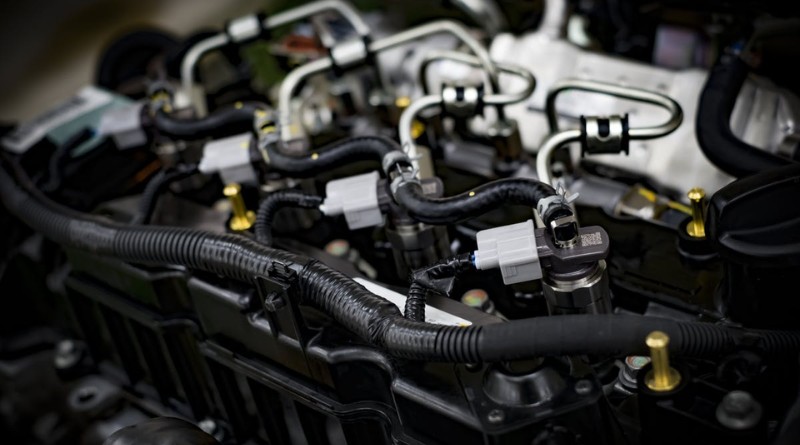
- Fuel Injectors. These components deliver fuel to the engine in measured volumes at particular moments within the combustion cycle. The Injection process is managed by an engine control module (ECM) which receives digital signals from a range of sensors.
- Fuel Pressure Regulator. This component maintains consistent fuel pressure within the fuel system.
- Throttle Body. The throttle body manages air volume. It’s also responsible for metering fuel delivered to the engine in response to driver throttle inputs.
- Oxygen Sensor. The oxygen sensor measures oxygen within engine exhaust gasses.

How Do I Know If My Fuel System Is Clogged?
Now, let’s investigate what can happen if fuel system components are not properly maintained.
Reduction in fuel efficiency. Over time, components such as the fuel filter and fuel injectors can become clogged with dirt and debris. If this happens, the engine receives less fuel than required.
Engine misfire. If the fuel complex fails to function properly, the engine may fail to receive the proper fuel volumes at the right time.
Difficult startup. If the fuel pump or fuel pressure regulator fails, the engine may experience a loss of fuel pressure leading to difficultly in starting, and/or the engine may fail to start at all.
If your vehicle shows any of these symptoms, or exhibits reduced power, engine stalls, and/or rough idling, you might have a clogged fuel system on your hands. Neglecting these signs will not make the problem go away. In fact, if remedial action is not taken quickly, you could be facing some pretty serious damage.
For one, if the fuel system is clogged, it can cause the engine to experience excessive emissions. This can result in failed emissions tests and costly fines. Worse, if the fuel filter is clogged and not replaced, it can cause the fuel pump to work harder to deliver fuel to the engine. Over time, this can cause the fuel pump to fail. And perhaps most unfortunate, a clogged fuel system can cause the engine to run lean, meaning that it is not receiving enough fuel. This can cause the engine to overheat or suffer other major damage.

How Do I Maintain My Fuel System?
Often, a fuel system will operate for tens of thousands of miles with little to no attention, save for regular fill-ups. But as the odometer creeps up, so do service requirements. Taking care of your fuel system is important and should involve a regular program of maintenance to ensure it stays healthy. This should include:
Replacing the fuel filter. The fuel filter should be replaced according to the manufacturer’s recommended schedule, typically every 30,000 to 60,000 miles.
Using only quality fuel. Quality fuel can help prevent the buildup of deposits in the fuel system that can clog fuel injectors.
Keeping the fuel tank half full. This helps prevent the fuel pump from overheating.
Using cleaning treatments. Fuel treatments involve the addition of chemical products to base fuel in order to maintain fuel cleanliness and improve engine performance. As they move throughout the system, they clean and lubricate important components along the way, which helps your engine burn the fuel more efficiently.
Monitoring your fuel pressure. Check your owner’s manual for optimal oil pressure. Low fuel pressure can indicate a problem with the fuel pump or fuel pressure regulator.
Monitoring the engine’s oxygen sensor. The oxygen sensor should be checked regularly, and if necessary, replaced according to the manufacturer’s recommended schedule.

How Often Should My Fuel System Be Checked or Cleaned?
Fuel system maintenance should involve a regular program of investigation. Typically, this work can be done based on the vehicle’s specifications and includes the vehicle’s year/make/model, its mileage, and the driver’s pattern of use.
In general, most manufacturers recommend the addition of a cleaning treatment, like Lucas Oil Fuel Treatment, every 3,000 to 5,000 miles. If a fuel system is severely clogged or experiencing performance issues, a deep-cleaning service may be necessary.
Deep cleaning is a comprehensive process that involves various chemicals and other cleaning solutions. It is typically more intensive and time-consuming, and may require specialized equipment employing professional expertise. This involves removing and cleaning fuel injectors, fuel lines, and other components of the fuel system.
In this case, the frequency of service will depend on condition. Although, on average, such a major investigation will range from 50,000 to 100,000 miles. In either case, the best course of action when maintenance is involved relates to following the vehicle’s maintenance schedule.

What Should I Do If My Fuel System Is Clogged?
If you experience the symptoms of a clogged fuel system, here are some possible ways to help resolve the problem.
Replace the fuel filter. A clogged filter can cause a range of issues. Check the manufacturer’s recommended schedule for replacing the fuel filter and swap it out if necessary.
Use a fuel system cleaner. If you suspect particulate buildup in the fuel system, use a fuel system cleaner additive to help break down deposits. Use manufacturer’s recommendations as a guide.
Seek professional help. If the symptoms are severe, take the vehicle to a professional vehicle outlet for further diagnosis and repair.
How Does Fuel System Deep Cleaning Work?
As noted, professional deep cleaning involves fuel system disassembly followed by the application of various chemical products to scrub deposits and buildup throughout the fuel system, including the fuel injectors, fuel lines, and fuel pump. To understand how the process works, here are the essential steps a shop would take.
Inspection. The technician will first inspect the entire system then diagnose any issues.
Heavy duty cleaning products. The technician will employ specialized cleaning solutions to the fuel tank or fuel system guided by manufacturer recommendations.
Running the engine. The technician will run the engine while requisite cleaning products circulate through fuel system components. This allows these products to reach all fuel system components and effectively remove all harmful buildups or deposits.
Flush the system. After the initial cleaning process has been concluded, the technician will flush the system using high-pressure steam to remove any remaining debris or buildup.
Reassemble. The technician will reassemble all system components, and execute a final fuel system test. It’s important to note that these cleaning processes may vary depending on the specific make and model of the vehicle, while being concerned with the severity of the problem.

As one might think, neglecting regular maintenance can lead to clogged fuel filters, dirty injectors, or other fuel system issues leading to fuel system malfunctions. Consequently, regular maintenance including replacing the fuel filter and applying fuel system cleaners like Lucas Fuel Treatment can help keep the system in optimal condition, thereby protecting and preventing future problems from occurring.


