
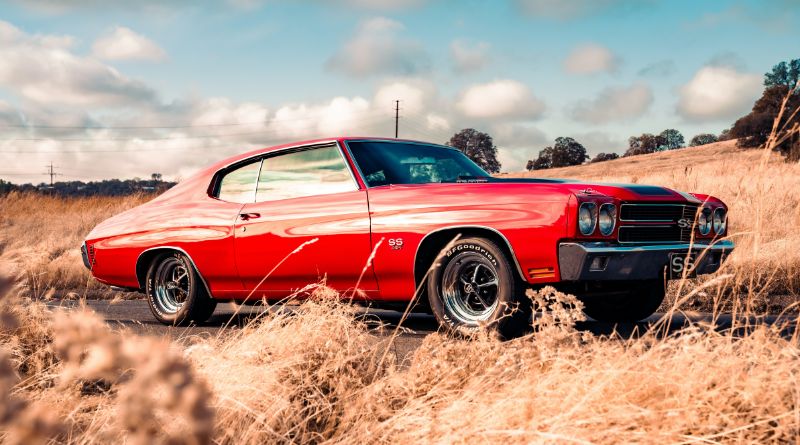
From Garage to Gallery: Step Up Your Vehicle Photography Game
Valuable tips and techniques to capture your vehicle in all its glory.
Whether you’re looking to immortalize your prized and beloved ride, take some progress photos of your latest restomod, or get your hooptie sold online in no time, getting the perfect photographs of your vehicle can be daunting for anyone who is not a professional photographer.
Just like taking pics of people, landscapes, or architecture, showcasing vehicles in the ideal light and using the proper techniques is paramount to maximizing your car’s “good side” and really making it stand out. And thanks to the growing popularity of social media and online vehicle sales, vehicle photography is no longer reserved for Lambos, Bentleys, and Maseratis.
So, if you’re looking to make your ride centerfold worthy, check out some of these top tips and tricks for producing show-stopping and inspiring pics that will have folks clicking like crazy.
Equipment

No, you don’t need to invest in a slew of expensive camera equipment to become adept at taking great car photos. You can capture an epic Insta-worthy shot with something as simple as your cell phone camera. (Seriously, have you seen some of the amazing photos showcased at the Mobile Photography Awards?)
That said, using a proper camera with manual controls will provide greater access to functions like shutter speed and depth of field, creating a more diverse and interesting array of shots to choose from.
Next-Gen Phone-ographers
For those looking to make the most of their smartphone features, consider downloading an app that will give you better manual control over camera functions. ProShot, Camera+ 2, OpenCamera, ProCamera, and the aptly-named Manual Camera are just a few of the multifunctional apps available that can turn your phone into an effective point-and-shoot camera.

Traditional Shutterbugs
If you do have access to a proper camera, lens choice is key for creating sharp, slick pics. A wide-angle lens with image stabilization (IS/VR) is a great choice for shooting in low or variable light conditions. When shooting from multiple angles, a focal length between 20-50 mm will allow you to overemphasize the lines, colors, and shapes of your car. Nikon, Canon, and Sony are all popular and reliable choices for high-quality lenses.
If you’re hoping to get some shots that highlight smaller details, like gauges on the dash, emblems, etc., consider also choosing a prime lens that offers Macro functions. And, of course, never forget your tripod.
Setting the Scene

Prepping the perfect pic is imperative, whether you’re looking to make a quick and lucrative sale, or you just want to get some online love for your beloved vehicle. So, the first step is to at least give your car a little spa treatment. It doesn’t have to be a full detailing, but you’ll want to at least wash off the bugs and road grime.
Next, be sure to select a decent backdrop for your ride. Busy backdrops detract from the overall look and feel of a photo and pull focus from the car itself.
Pick a location that suits your ride. If you’re photographing a rugged 4×4, it’s fun to pick a wooded or desert backdrop that helps folks envision taking the vehicle off-road. If you’ve got a low-riding hot rod or sports car, maybe you want to go for a sleek urban setting at dusk. You get the idea…
Also, consider your car’s color. While black or white cars can pretty much be shot anywhere, colored cars require a little more forethought in regard to settings and time of day to best photograph them. Brighter colors are best shot against a darker background.

As far as timing goes, lighting for photographing cars is best at the golden hour. Shooting an hour before sunset or an hour after sunrise helps limit the harsh and direct glare that you get during a mid-day shoot. Cloudy days also help limit glare from the sun, so don’t be put off by overcast conditions. That’s some of the best light to take pictures. Just check the forecast to make sure you’re not going to get rained on.
Key Techniques
There is a plethora of cool and innovative techniques that you can use to get some fresh and unique shots of your car. Here are seven of the top “rules of the road” when it comes to capturing magazine-worthy photos:
1. Drop it Low or Take it High
Eye-level shots are so mundane. Dropping low and shooting your car up at an angle or getting in tight for that extra close-up look helps to emphasize and highlight a car’s power and presence. This is especially true for sports cars. Also, shooting at the corners where lines converge helps to give an interesting angle and makes your car look large-and-in-charge.

Try elevating yourself and shooting from above to get an unusual birds-eye view of convertibles or trucks for a change of pace.
2. Be Sure to Get my Good Side
If you’re looking to showcase the sexy lines and sleek, aerodynamic curves of a car, it’s best to shoot it from a full body shot from the side. Using a shallow depth of field with a low f-stop number and a low angle with a smaller focal length will help draw attention to your car’s curves and pull focus from potential imperfections or more distracting elements.
For smartphone users, play around with the Portrait option in your Camera settings. It creates a similar depth-of-field effect by blurring the background and bringing the subject into sharper focus.
3. Less is More
If you’re at a car show or on a crowded street, people, other cars, trash, and busy backgrounds with a lot going on pull focus and create a sense of chaos in your photos. Go for a more deserted and cleaner-looking ambiance that makes sure the car is the only center of attention.

Even things as benign as telephone poles, parking meters, and colored curbs can be annoying scene-stealers that you may not notice during shooting, but can’t seem to overlook in the finished product.
4. More is More
Now that we no longer have to shoot on film and consider the cost of taking multiple photographs, feel free to take as many as you want. In fact, the more, the better! Slight changes in perspectives, angles, and vantage points can make big differences, so shoot away. It’s better to have too many pics than not enough and have to go back for a second sitting.
5. Pick Your Best Feature
There’s no rule that says you have to photograph the entire car. It can be fun and different to focus on specific elements of your car that you love. Think about features like grills, spoilers, wheels, badges, brake calipers, exhausts, steering wheel, leather seat stitching, shifter knobs, etc. that may offer a one-of-a-kind picture or highlight your favorite details.

6. Be Mindful of Reflections and Shadows
Leave your shadow behind. It’s easy to inadvertently capture your shadow when photographing in certain lighting. This mistake has caught many amateur shutterbugs in post-production, when they’re reviewing images and looking for the perfect shot, only to find out that their pesky shadow photobombed the whole thing.
As well, most freshly detailed cars are super reflective and act like giant mirrors, so be sure to leave plenty of open space behind your camera position to limit your own reflection from muddying the picture. Pay attention to what’s behind you to make sure you don’t end up with an annoying tree/obstacle/person/object as an accidental mirror image in your photo. It might be a good idea to invest in a polarizing filter that can help remove unwanted reflections from the picture altogether.

7. Try Panning
Panning is a safe technique that gives you the illusion of a moving car without actually having to follow it going anywhere. By blurring the background of the photo, panning makes the car seem like it’s moving fast and gives a fun take on still photography.
To try panning, mount your camera to your tripod and set your shutter speed to 1/80th to start. To keep up with the movement of the camera, select a sport focus tracking mode. Have the car drive toward you while keeping your finger half pressed on the shutter button to lock in the focus. Just as the car passes your spot, take several shots in burst mode and continue tracking the car as it goes on by. This will yield a photograph that looks super speedy and blurs all the background.
Fun Fact: You can replicate a panning effect with your smartphone, too. (Though, you’ll need to download an app.) Check out the video tutorial below to see how.

Post-Production Considerations
Now that you have an array of awesome photos, spend some time editing them. Play around with color temperatures, contrast, brightness, shadows, filters, exposure, highlights, saturation, and more to see if you can further enhance your work or give it a fun and original appearance that’s a little outside the box.
With so many amazing editing software programs out there, you can erase annoying mistakes with ease and Photoshop in practically anything you can think of, so if you’re serious about becoming an adept car photographer, pick a solid editing platform.
Lastly, if you’re jumping on the social media bandwagon and looking to grow an online following or develop your presence, tag and hashtag to your heart’s content. Piling on witty hashtags or tagging aftermarket manufacturers or automotive businesses will help you get noticed and gain the attention of others in the field. Who knows? You may even end up getting showcased in one of your favorite publications or social media channels.


