
Troubleshooting Common Tonneau Cover Issues
Discover the most common issues that may plague your tonneau cover – and how to fix them.
For truck owners, selecting the perfect tonneau cover is no small feat, involving a good deal of research and a decent lump of cash. After putting in the time and money to choose the right one, discovering that it’s not living up to expectations can be downright exasperating.
While those who are still under warranty can seek a replacement, that’s not an option for everyone. Besides, manufacturer defects are actually quite rare, and the factors most likely to affect your tonneau cover’s performance – age, accident, neglect, user error, and general wear and tear – don’t usually fall under the coverage umbrella. That’s why learning how to prevent and treat these issues when they pop up is so important.
Let’s explore some of the most common tonneau cover issues you’re likely to face throughout ownership, as well as what might be causing them and how you can address the problem.
Water Intrusion

Perhaps the most frustrating issue on this list, water intrusion poses a significant threat to your truck bed and any cargo in it. When water seeps into the truck bed, it can eat away at paint and metal finishes, creating the perfect environment for rust and corrosion to settle in.
Often, the culprit of a leaking tonneau cover is worn-out or damaged weather seals around the edges of the cover. This can happen over time, due to everyday use and environment. Exposure to harsh weather conditions like extreme temperatures, sunlight, rain, and snow simply degrades the materials over time. Similarly, frequent opening and closing of the tonneau cover can put stress on the seals, causing them to break down.
To address the issue, inspect your cover’s weather seals for any cracks, tears, or fraying. If they’re in rough shape, it’s time for replacement. You can purchase replacement seals from the manufacturer for a very minimal cost.

Another thing to look for is misalignment. A seal that has become loose or is not sitting correctly may fail to provide a proper seal against water intrusion. If you can’t reposition the seal without compromising adhesion, then you should invest in a replacement.
To prevent the issue from happening again (or in the first place), take care to clear out any debris that may accumulate in the drainage channels. Dust, dirt, and leaves quickly turn to gunk and can clog up the drainage tubes. In addition to regular inspection and cleaning, be gentle with your tonneau. Forcefully slamming the cover shut can lead to premature wear of the weather seals.
Torn or Worn Vinyl

A very common tonneau cover issue, torn or worn vinyl not only looks terrible but also poses issues to your truck’s health and performance. A torn cover can lead to water intrusion, damaged cargo, and an eventual failing of the whole tonneau.
The potential culprits for this issue can vary, but usually good old Mother Nature is to blame. Continuous exposure to weather conditions can cause degradation, leading to fading, cracking, and possible tears. While vinyl covers are more prone to these issues, as the material can shrink and expand with fluctuating temperatures, it’s worth noting that composite and fiberglass tonneaus can show their age over time too.
Addressing the issue always starts with an inspection. Is the cover just looking a little dull and faded? Or are there significant signs of deterioration?

If it’s the former, a good cleaning and conditioning can do wonders. Products like Extang’s Tonno Tonic can bring life back into an older vinyl tonneau cover, while also protecting against harmful UV rays – the main cause of fading. For non-vinyl covers, use gentle automotive soap and water, scrubbing with a soft sponge or cloth. Avoid using wax on anything that isn’t fiberglass, and even then, check with the manufacturer before applying.
If you’re dealing with a more serious tonneau cover issue, like rips and tears, many tonneau manufacturers sell vinyl patch repair kits. While these won’t last forever, they can certainly buy you some time.
As for prevention, regular maintenance and gentle handing are key. Keep the cover clean, and try to limit its exposure to heavy snow and harsh sunlight if possible. Additionally, avoid overloading the cover or dragging heavy objects across it, both of which can cause tears and wear.
Operational Issues

Sticking, jamming, uneven folding, malfunctioning locks — operational issues with a tonneau cover can be highly frustrating, as they undermine the primary purpose of the cover, which is to provide easy access to the truck bed and protect cargo from various elements.
Since the malfunctions can vary, so do the potential reasons for the problem. Usually, though, if a tonneau cover isn’t closing and opening properly, misalignment is to blame. This can be due to road vibrations loosening the cover, worn or damaged components failing to do their job, dirt and debris gumming up moving parts, or as the result of improper installation and use. Sometimes the problem is just temporary, like freezing temperatures turning your tonneau cover into a Tupperware lid.

To address operational issues, take note of exactly where the problem area seems to be and then inspect the mechanical or electrical components most likely causing trouble. For example:
- If locks, latches, hinges, and brackets are broken or worn down, they can easily be replaced through the manufacturer.
- If the whole cover seems off-kilter, it’s possible the setup may need realignment or tightening.
- In cases where electrical components are at fault, checking the batteries or wiring connections is a good starting point.
- Cleaning out the tracks and lubricating seals or moving parts can often help resolve any minor sticking or jamming issues.
Like the other common tonneau cover issues on this list, prevention comes down to proper care and maintenance. In addition to cleaning your cover, check in with it from time to time. Look for signs of wear, tears, or bent components, and address small issues before they have a chance to become big ones. Additionally, always make sure the cover is securely closed and latched while driving. Wind resistance and vibrations will quickly knock things out of place.
Warping

Over time, the material comprising your tonneau cover can start to bend and distort. As it loses its original shape, it creates gaps or uneven surfaces. This warping often leads to poor weather sealing — and a highly annoying thwapping sound while driving.
The culprit here is often just extended use and exposure to the elements. Prolonged sunlight and UV rays can be particularly damaging, but so can snow and cold temperatures. Other conditions that can lead to warping include heavy loads placed on the cover, improper installation, and even inappropriate cleaning agents.
To address warping, you may need to take a multi-prong approach. For example, replacing the seals may help solve the issue, along with tightening the cover and conditioning the vinyl (if applicable). Sometimes the cover just needs to be adjusted, and the components realigned.

As it can be tricky to narrow down the exact cause, we suggest reaching out to the manufacturer. This can be a tough issue to repair, so if your tonneau cover is still under warranty, it’s worth exploring replacement options.
To prevent warping from happening in the first place, try to park your truck in a covered area whenever possible to keep the cover away from direct sunlight or extreme temperatures. Additionally, respect the cover’s weight capacity and avoid exceeding it, as overloading can lead to distortion. Lastly, be sure to regularly clean the cover using manufacturer-approved cleaning agents, and avoid using harsh chemicals or abrasives that may contribute to warping.
Today’s tonneaus are tough, but they still require a little TLC. With good care and maintenance, you can help stop many of these common issues before they start and ensure a long healthy life for your cover.

Sponsored by Extang
An ounce of prevention is worth a pound of cure. So, do yourself a favor and equip your truck with a high-quality, well-fitting tonneau cover from Extang.
Since 1982, Extang has showcased a determined focus on putting superior engineering and quality components into its products. Headquartered in Ann Arbor, Michigan, every product the company makes — including accessories — gets a Made-in-the-USA stamp of approval.
Extang products are easy to install, easy to use, and easy to maintain. They’re also consistently revisited with innovation in mind. This way, as trucks evolve, so do the products meant to protect them. One such product is the Solid Fold ALX.

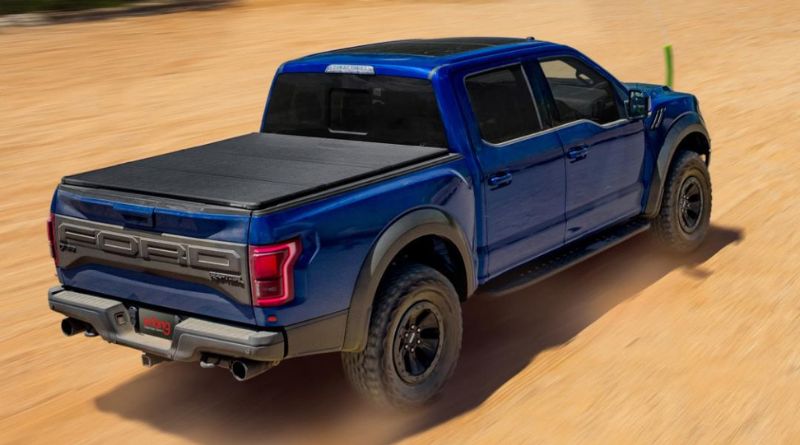
Made of 1-inch thick EnduraShield panels, the Solid Fold ALX offers a lightweight but incredibly strong construction capable of supporting 600 lbs. of evenly distributed weight. Better yet, it says goodbye to clumsy manual clamps in favor of twist-and-lift secure rotary release system.
Additional features like hard polymer rubber corners, hinge caps, snap-on perimeter seals and a Matte Black Textured finish applied over an aircraft-grade aluminum frame ensure the Solid Fold ALX is one tonneau cover that earns standout marks across the board.
To learn more about the Solid Fold ALX, as well as Extang’s other great tonneau cover options, visit https://extang.com.


