
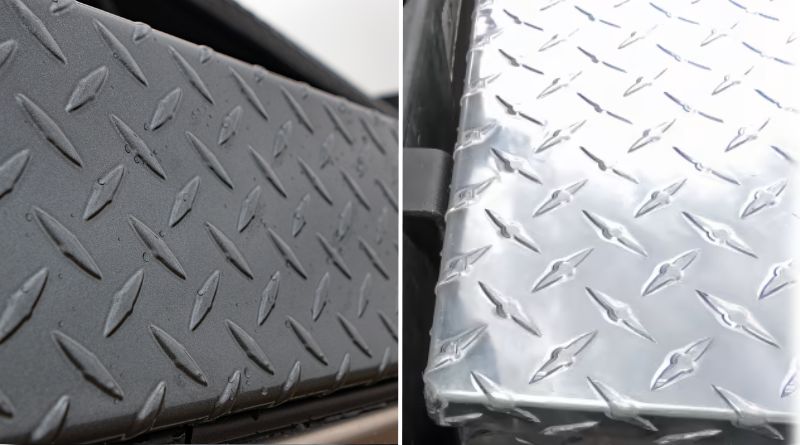
Aluminum vs Steel Truck Toolboxes
The choice might be more challenging than you think.
So, you’re in the market for a truck toolbox and think you’re just going to quickly Google a few options online to get a better idea of what’s out there. Good luck with that. A quick internet search can turn into an hours’ long trip down a proverbial rabbit hole. The options for truck toolboxes are vast, to say the least.
Never mind that you have to decide between crossover, underbody, gull wing, wheel well, side mount, top mount, trailer tongue, and more when it comes to toolbox style. There’s still brand, material, and security features to consider, not to mention all the things you’re going to put in there.
But let’s just focus on construction materials for now. Do you go with aluminum or would steel be a better choice? Each one certainly has its pros and cons, which we are going to dissect in order to help you reach a confident decision (at least as far as toolbox type is concerned).
At first glance, both types of truck toolboxes share a lot of the same characteristics, so why bother taking the time to research each one in the first place? Why not just go for the cheapest one available? It’s natural to want to get the best bang for your buck, but that doesn’t mean you want to sacrifice durability or strength. Both steel and aluminum truck toolboxes will be durable, but there are definite pros and cons to each. Let’s get down to it:
Aluminum
Pros of an aluminum truck toolbox
- Lightweight. Aluminum is much lighter than steel, making it easier to handle and transport.
- Corrosion resistance. Aluminum is highly resistant to rust and corrosion, making it ideal for outdoor use and in harsh weather conditions. In fact, an aluminum truck toolbox just might outlast your truck.
- Style. Even in their raw aluminum form, these truck toolboxes have a sleek and modern appearance that can enhance the look of your truck. For those who like the blacked-out look, many brands offer aluminum toolboxes finished in an attractive, black powder coat.
- Cost-effective. Compared to other materials, aluminum truck toolboxes, while pricier initially, are often more budget-conscious in the long-term. You may pay a little more at the outset, but an aluminum truck toolbox will usually offer you a substantial return on investment in terms of durability and lifespan.

Cons of an aluminum truck toolbox
- Durability. Although aluminum is strong, it can definitely dent or deform more easily than steel, especially under heavy loads or rough use. If you’re the kind of person who likes to toss their tools into the toolbox as opposed to setting them inside in a certain configuration, then you’re likely to see more dents and scratches on an aluminum truck toolbox.
- Security. Some aluminum truck toolboxes may not have as secure or solid a locking mechanism as steel boxes, making it easier for tools and equipment to be stolen.
- Maintenance. If you have an aluminum truck toolbox that’s not powder-coated, it’s going to require some maintenance and love to keep it looking sharp. Add to that the higher initial price tag of aluminum and it’s definitely something to consider if you’re looking for more of a “set-it-and-forget-it” experience.
Steel
Pros of purchasing a steel truck toolbox
- Ruggedness. Steel is one of the strongest and sturdiest materials that you can use to construct a toolbox. It’s highly resistant to impacts and other forms of damage. A steel truck toolbox is likely to last for many years, even with frequent use.
- Security. Steel truck toolboxes typically come with reliable and strong locking mechanisms that can help prevent theft. This is especially important for people who carry valuable tools or equipment in their truck bed.
- Resistance. Steel is very resistant to cold weather and won’t crack or snap in frigid temps like thinner aluminum can, making it an ideal material for truck toolboxes that will be exposed to the elements in northern climates. Thanks to its thicker density, steel can hold up well against flying or falling rocks and debris without a lot of damage. It’s also excellent at absorbing shocks.
- Customization. Like their aluminum counterparts, steel truck toolboxes are often available in a variety of sizes and styles, allowing you to choose a toolbox that fits your specific needs and the layout of your truck bed.
- Cost. Steel truck toolboxes are usually easier on the bank account than aluminum, which is great if you want something strong and sturdy, but don’t necessarily want to keep it for a lifetime. They’re a great option if you’re just getting started in business and want to keep costs under control.

Cons of purchasing a steel truck toolbox
- Weight. Steel is a heavy material, and a steel truck toolbox can be quite heavy itself. This can make it difficult to install and remove the toolbox from your truck bed, not to mention the added weight to your truck itself.
- Lifespan. Steel truck toolboxes are often less expensive when it comes to price, but they don’t hold up as well over time as aluminum.
- Maintenance. Steel truck toolboxes can develop rust or corrosion over time if not properly maintained, especially if you carry chemicals, such as bleach or chloride in them. Regular cleaning and painting may be necessary to keep the toolbox in good condition.
An Additional Note On Maintenance
Oftentimes, the amount of maintenance required for your truck toolbox can be the ultimate decision-maker. Truck toolboxes have greatly evolved over time to be more durable, cleverly designed, and attractive, but they still require some TLC if you really want to get some serious longevity out of them.
Aluminum
Maintaining an aluminum truck toolbox is relatively easy and straightforward. Exposure to saltwater or other harsh chemicals, excessive moisture, rapid temperature changes, and scratches and abrasions from general wear and tear are usually your primary concerns.
Steel
With steel truck toolboxes, there are often obvious signs that they are becoming damaged. If you see pitting, discoloration, white powder, or rust, you’re going to want to give it some attention, and quickly, in order to avoid having to completely replace your toolbox.

How to Maintain Your Truck Toolbox
Here are some helpful steps to properly maintain your toolbox, whether aluminum or steel.
Cleaning
Clean the toolbox regularly with soap and water, then rinse it thoroughly. Avoid using abrasive cleaning products that can scratch the surface of the metal. Add a little waterless hand cleaner and degreaser like Zep to your wash water. It will help liquefy grease and residue for easy removal.
Protection from the elements
Store the toolbox in a dry, covered area when not in use to protect it from rain, snow, and other environmental elements that can cause corrosion. Aftermarket parts like truck toolboxes continue to evolve and improve in order to be able to last longer. Diamond plating on aluminum toolboxes and heavy-duty powder-coating are both very common applications nowadays that greatly help to protect your equipment.
Prevention of rust
If the toolbox is used frequently in damp or humid environments, consider applying a protective coating such as a non-abrasive automotive wax or silicone spray to prevent rust from forming.

Repair of dents and scratches
If your toolbox is dented or scratched, you can repair the damage by sanding the area lightly with sandpaper and then applying a touch-up paint. Be sure to match the color of the paint to the original color of the toolbox.
Lubrication
Regularly lubricate the hinges and latches of the toolbox with a light oil to keep them operating smoothly. Additionally, features like knobs, bolts, screws, straps, and locks must be periodically retightened and inspected for signs of wear, corrosion, and fatigue.
Check out more tips for maintaining aftermarket aluminum and steel here.
Sponsored by TrailFX
TrailFX is a Pennsylvania-based company that specializes in equipment and accessories to outfit your truck, Jeep, Bronco, or SUV. With a wide range of options for all types of owners, TrailFX has a truck toolbox to suit your lifestyle. The company’s lineup includes a variety of popular styles – like Gull Wing, Side Mount, Crossover and Underbody – in both steel and aluminum configurations. But why stop there? Shop bumpers, winches, auxiliary lighting, overlanding gear and more. Customize your beloved ride to your heart’s content. Learn more at https://www.trailfx.com/


